We trained on warehouse snapshots and served from Redis. TTL eviction and a stampede later, the model looked broken. Online features are a cache, not a fact table.
redis
mlops
About Redis
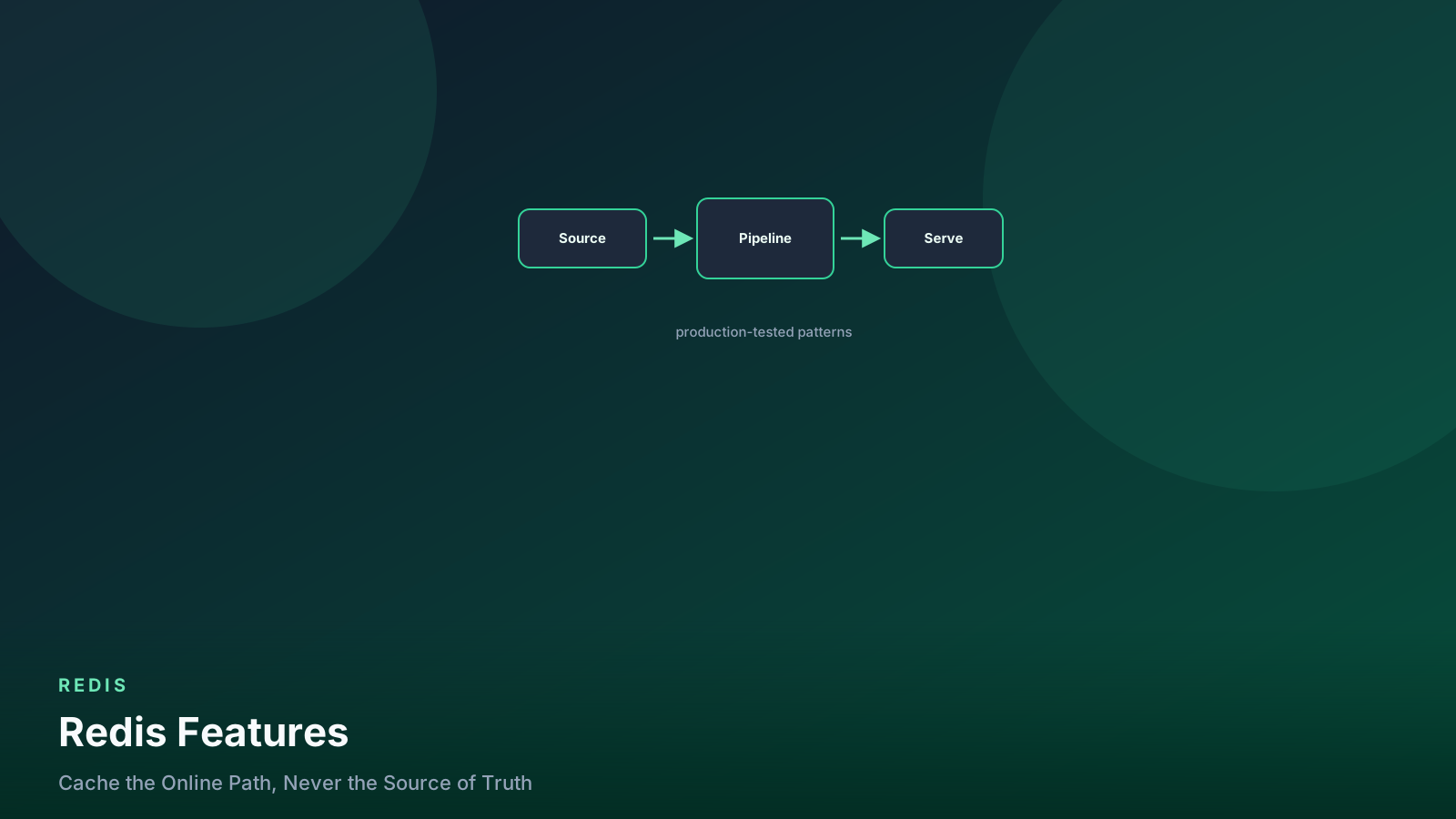
Redis is the cache and feature-serving plane: sub-millisecond gets, TTLs, and the incident called “we treated Redis as the source of truth.” Data engineers use it for online features, locks, and rate limits — not for last month’s orders.
What you'll learn here
What belongs in Redis vs the warehouse vs OLTP
TTL, eviction, and cache stampede
Redis as an online feature store sidecar
Persistence (AOF/RDB) and why “it is just a cache” is a lie the first time it is not
Frequently asked questions
Is Redis a database?
It can persist, but if losing the instance is a data-loss incident, you designed it wrong. Durable facts live in OLTP or the warehouse. Redis holds derived, replaceable state — unless you explicitly built a Redis-backed product with a backup story.
How do online features stay consistent with batch?
Same grain, same code path or a checked parity job. Training on a warehouse snapshot and serving a live Redis join that can see the label is leakage. Say that in the design interview.
Redis or the warehouse result cache?
Warehouse result cache is for SQL repeats. Redis is for application keys. Do not put BI extracts in Redis “for speed” without an owner and a TTL.
Cookies and ads
Theme, saved posts, account, and coding history stay on this device. Optional advertising and analytics cookies load only if you accept. See thecookie policy.


 Redis🟢Beginner