dbt Incremental Models in Production: unique_key, Merge, and Late Arrivals
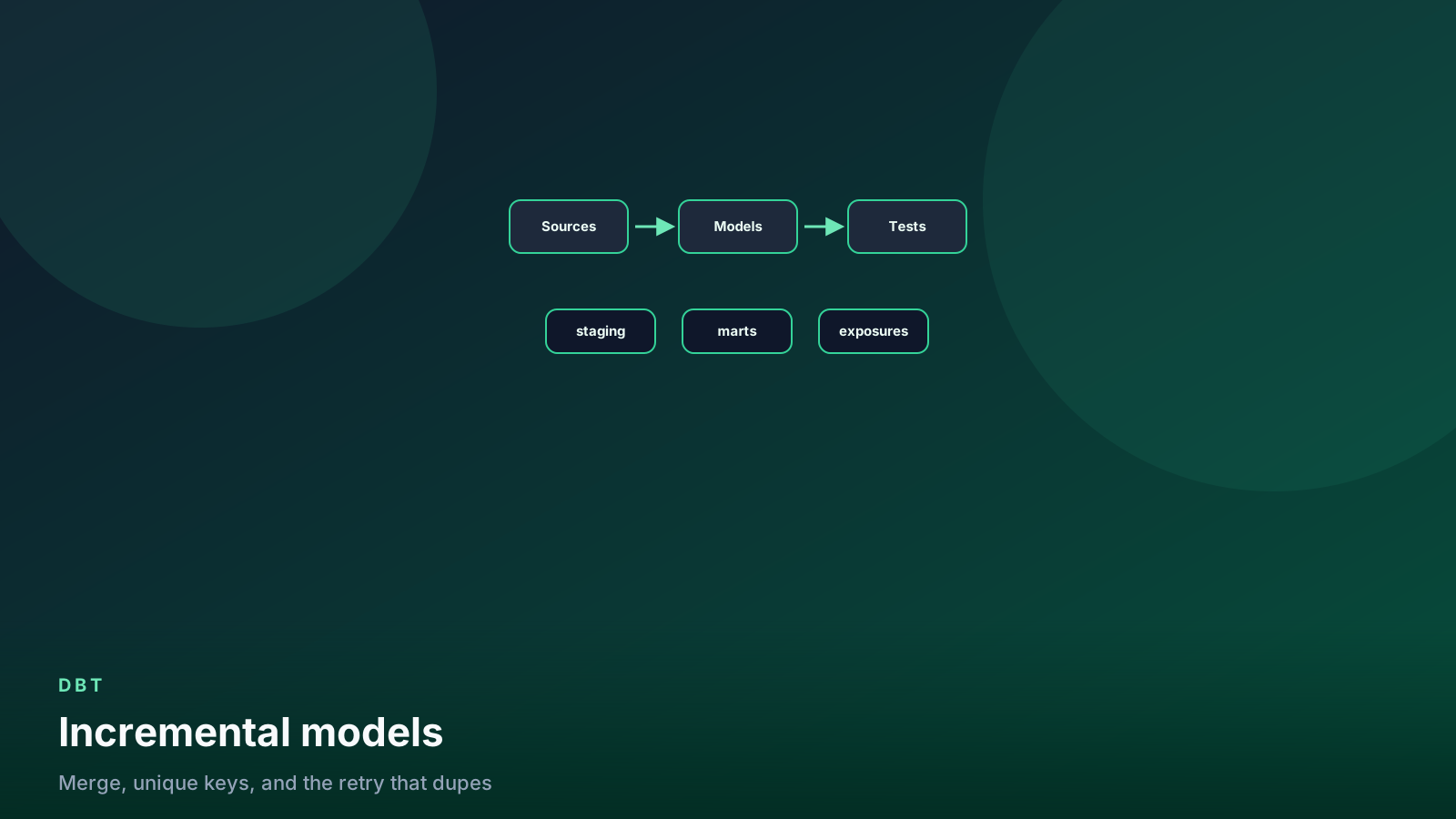
How incremental dbt models actually write: unique_key as merge grain, is_incremental filters, lookback windows, and the late-arrival cases that silently drop rows.
- dbt
- sql
Topic
23 posts ·view all posts
How incremental dbt models actually write: unique_key as merge grain, is_incremental filters, lookback windows, and the late-arrival cases that silently drop rows.
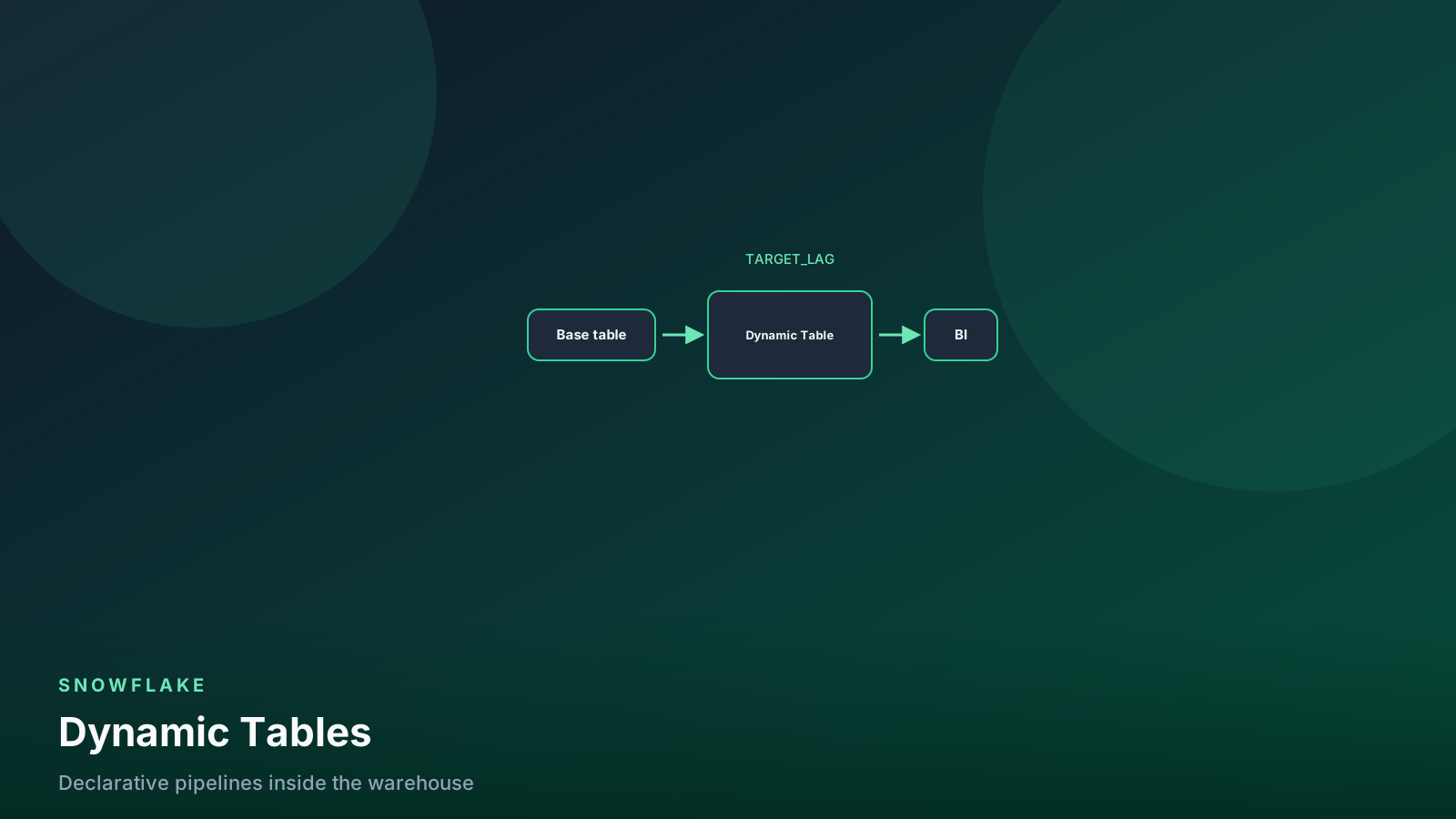
How Dynamic Tables actually refresh: TARGET_LAG, the warehouse that pays for it, streams vs DT, and why I still keep dbt for gold.
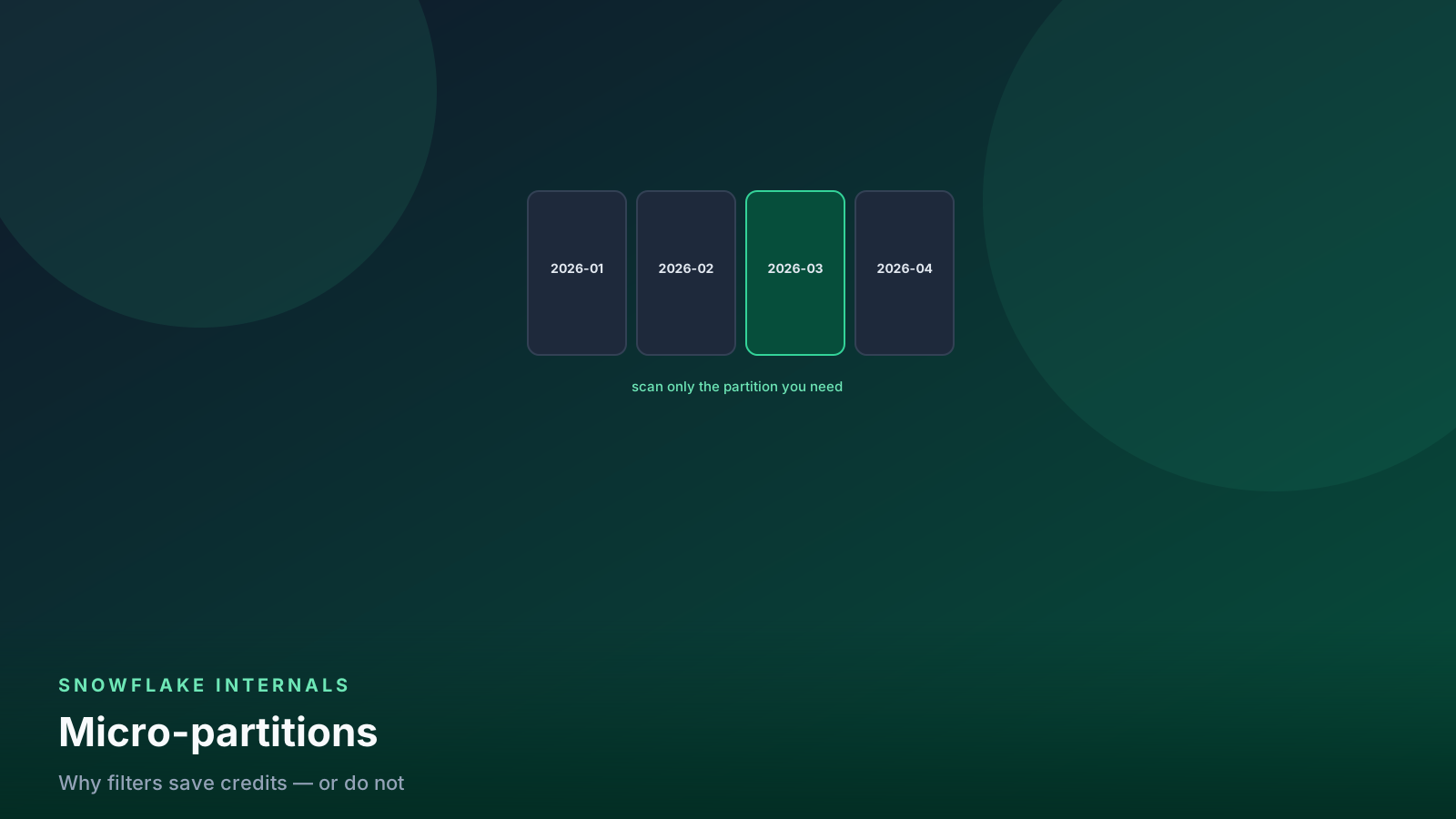
What a micropartition is, how clustering and sargable filters prune, why wrapping columns and SELECT * blow the scan, and how to read partitions_scanned.
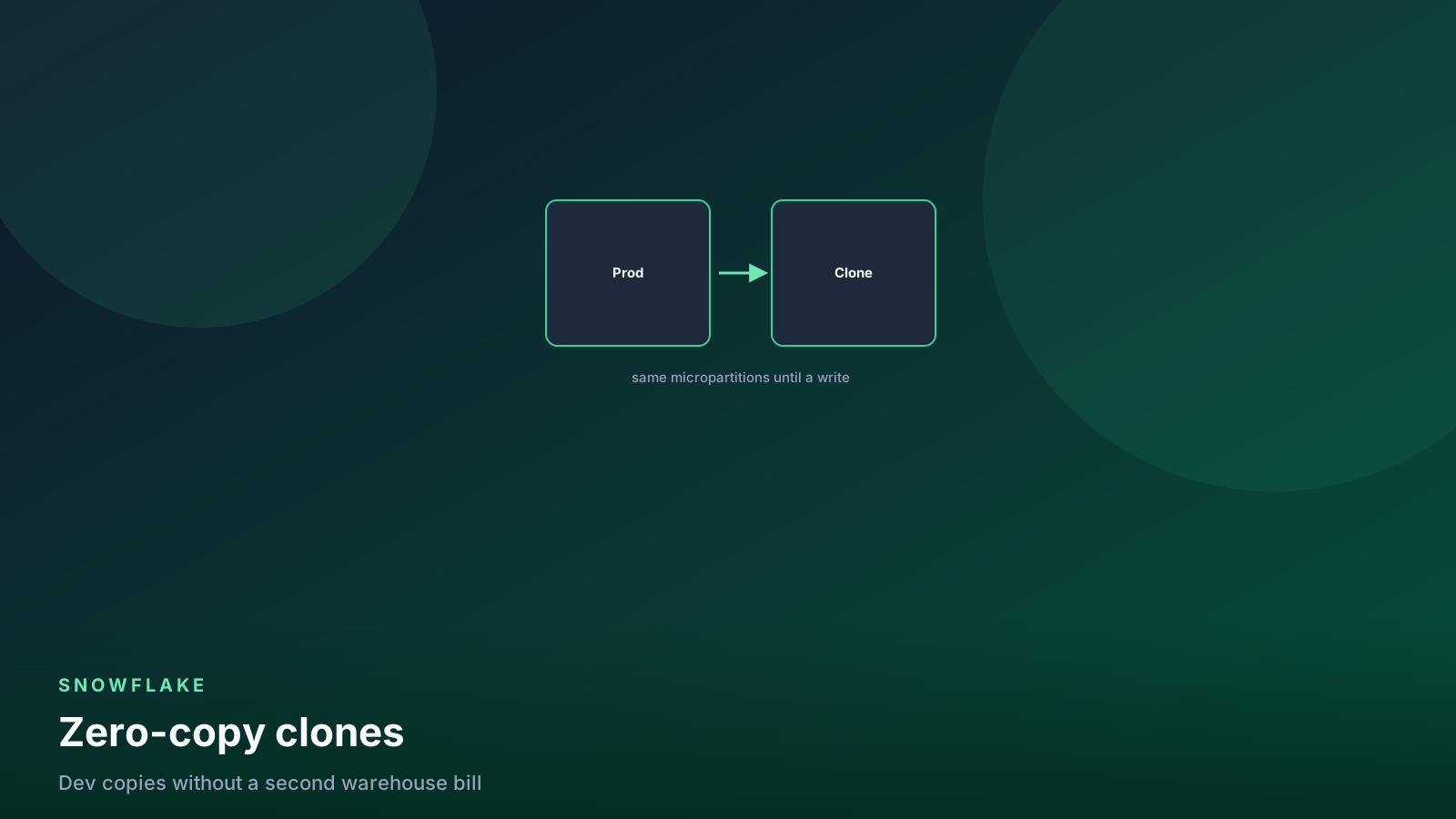
CREATE … CLONE shares micropartitions until someone writes. How storage grows, how to clone at a timestamp, how I use clones in CI, and why I never mutate gold through a clone.
Trino stores nothing. A federated SELECT * on prod Postgres is a database incident. Use Iceberg for the lake, and keep interactive SQL off OLTP.
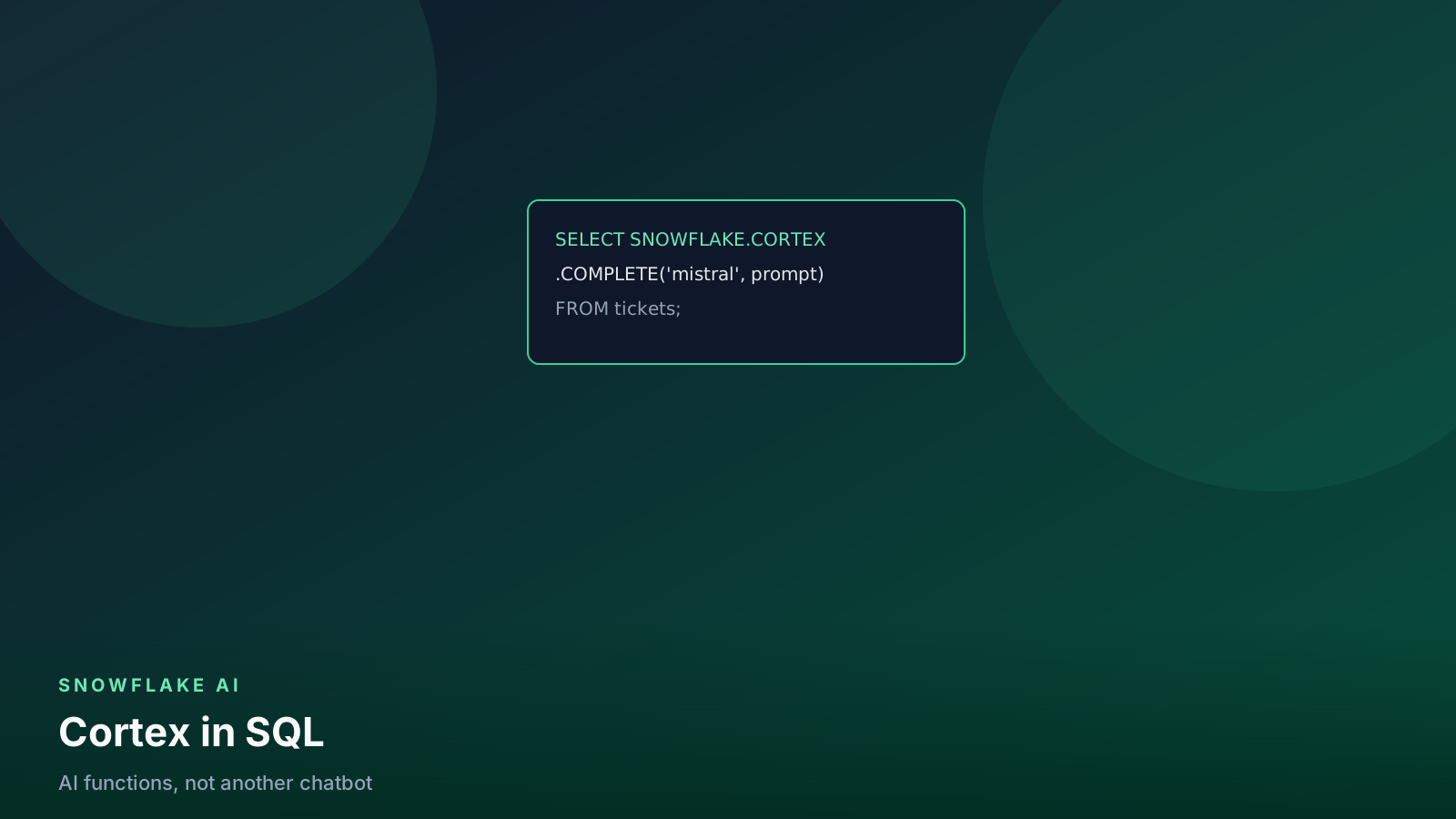
How to use Cortex LLM functions inside pipelines — COMPLETE, CLASSIFY, EMBED — with cost controls, schema checks, retries, and a warehouse-native RAG shape.
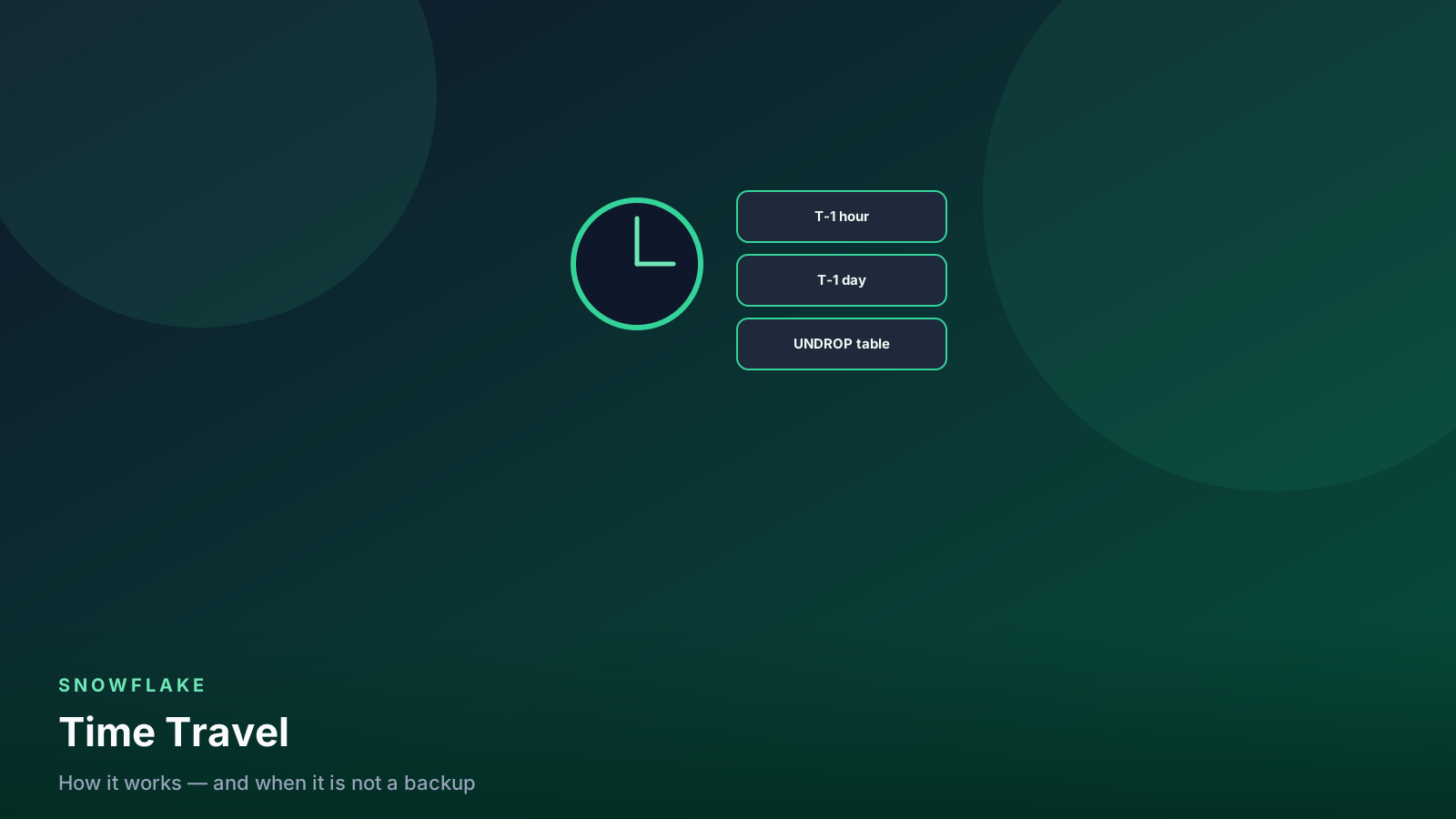
A practical guide to Snowflake Time Travel and Fail-safe: retention, UNDROP, cloning at a timestamp, storage cost, and a restore runbook you can test.
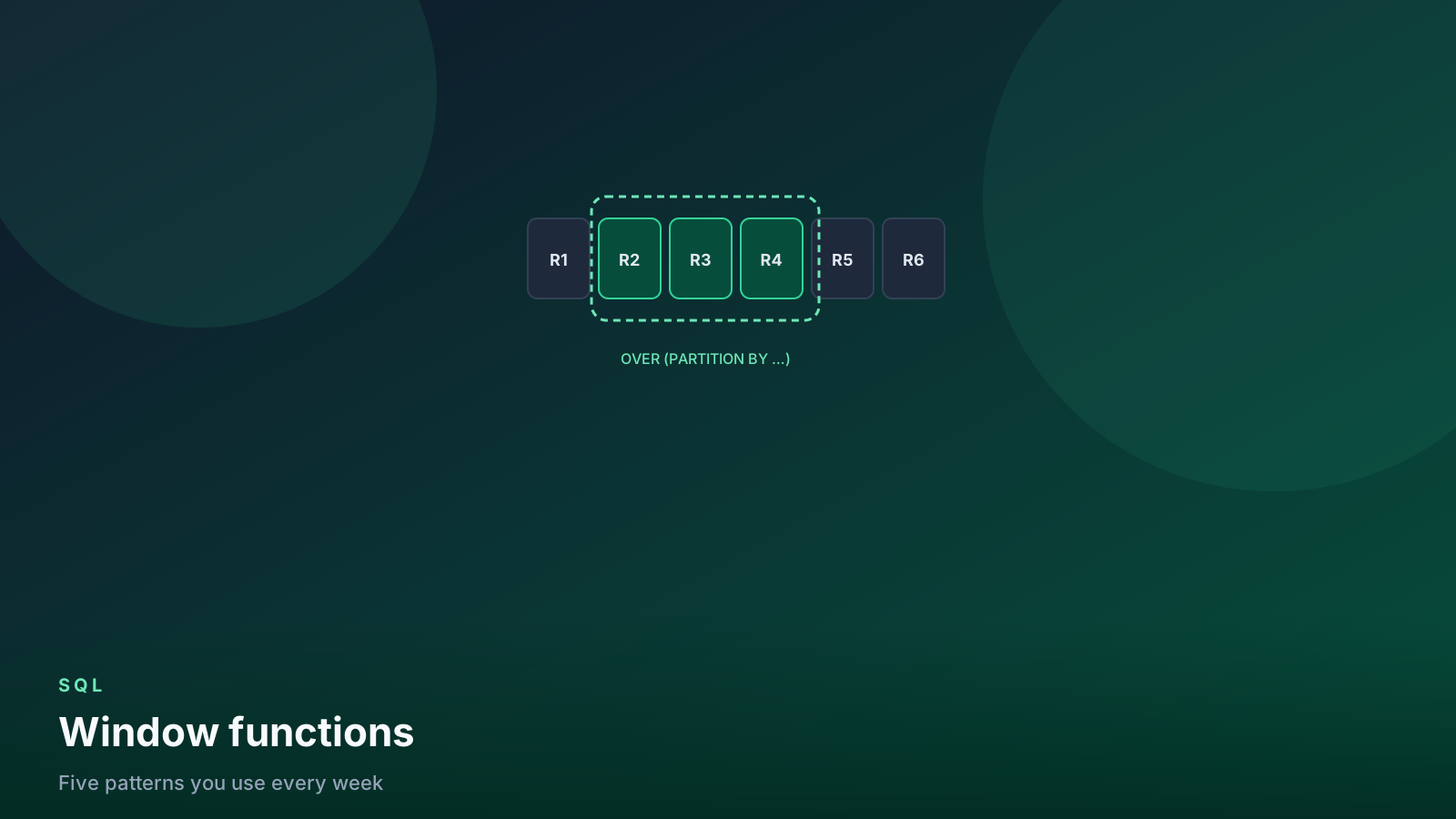
Deduplication, running totals, sessionization, period-over-period comparisons, and top-N per group — plus frames, pitfalls, and live playground queries.
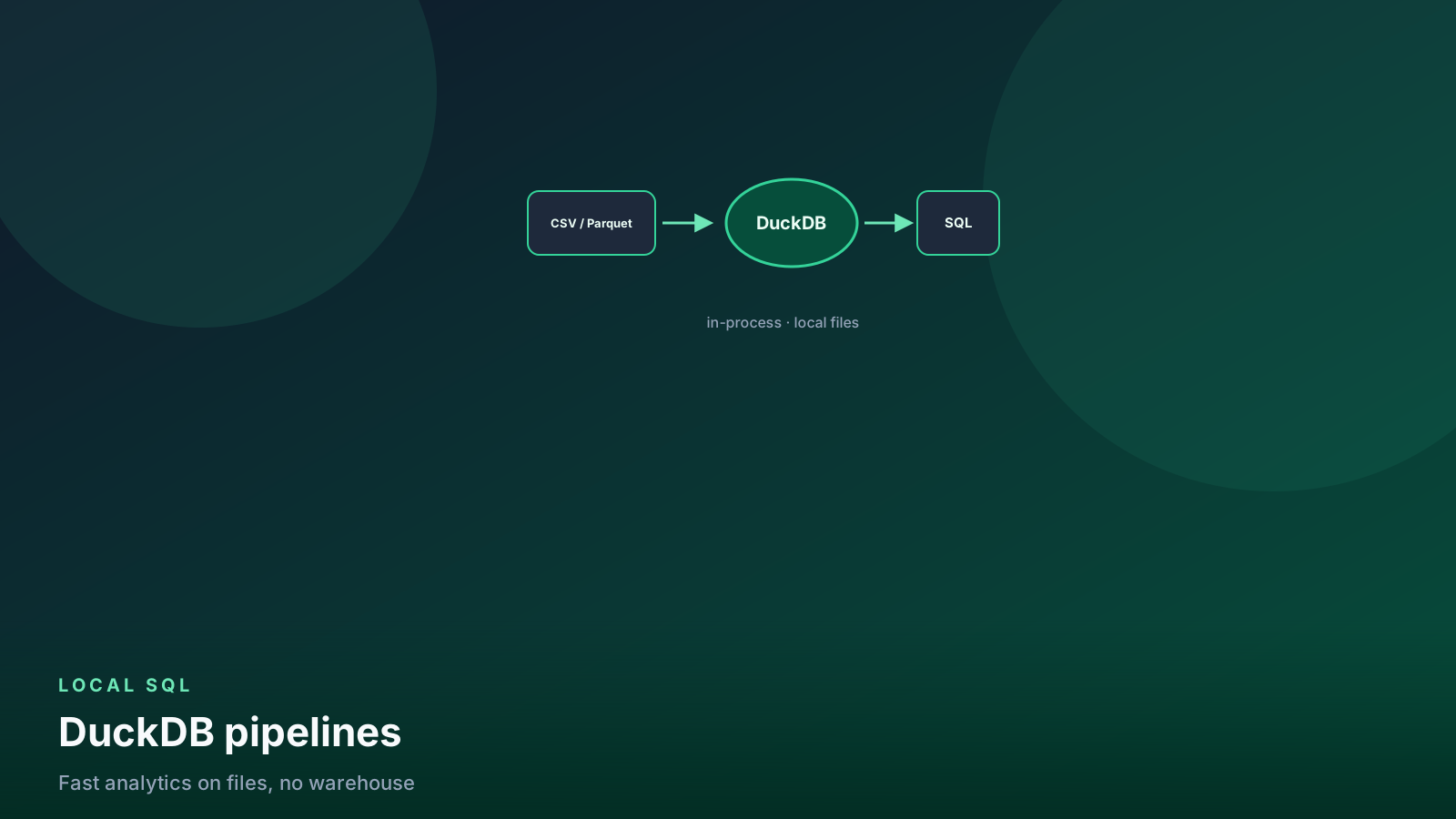
Why DuckDB replaced pandas in many pipelines: query Parquet and CSV files directly with SQL, at speeds that embarrass much bigger tools.
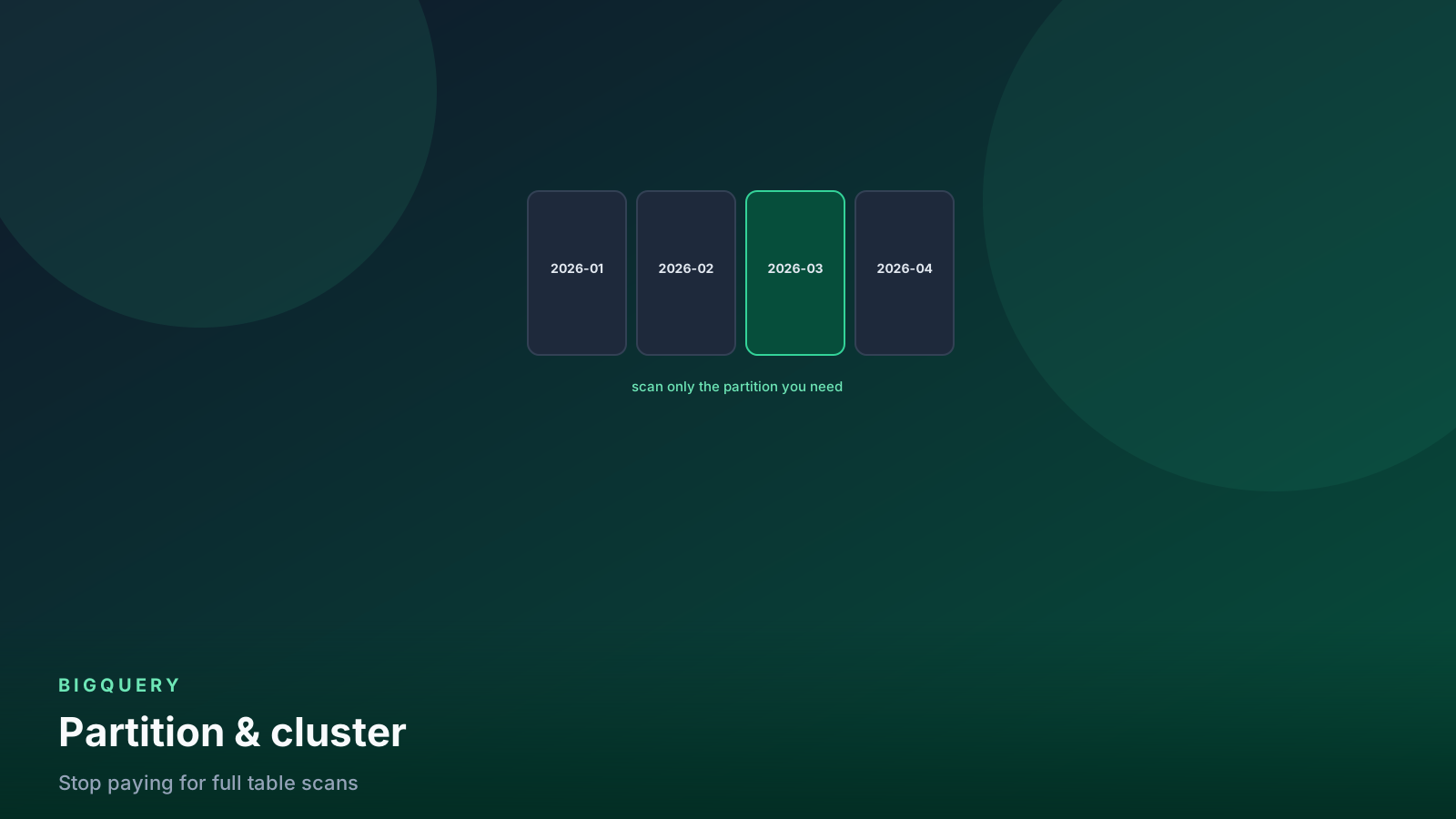
BigQuery charges by bytes scanned. Learn how partitioning and clustering cut scan costs by 90%+, and the query patterns that silently bypass them.
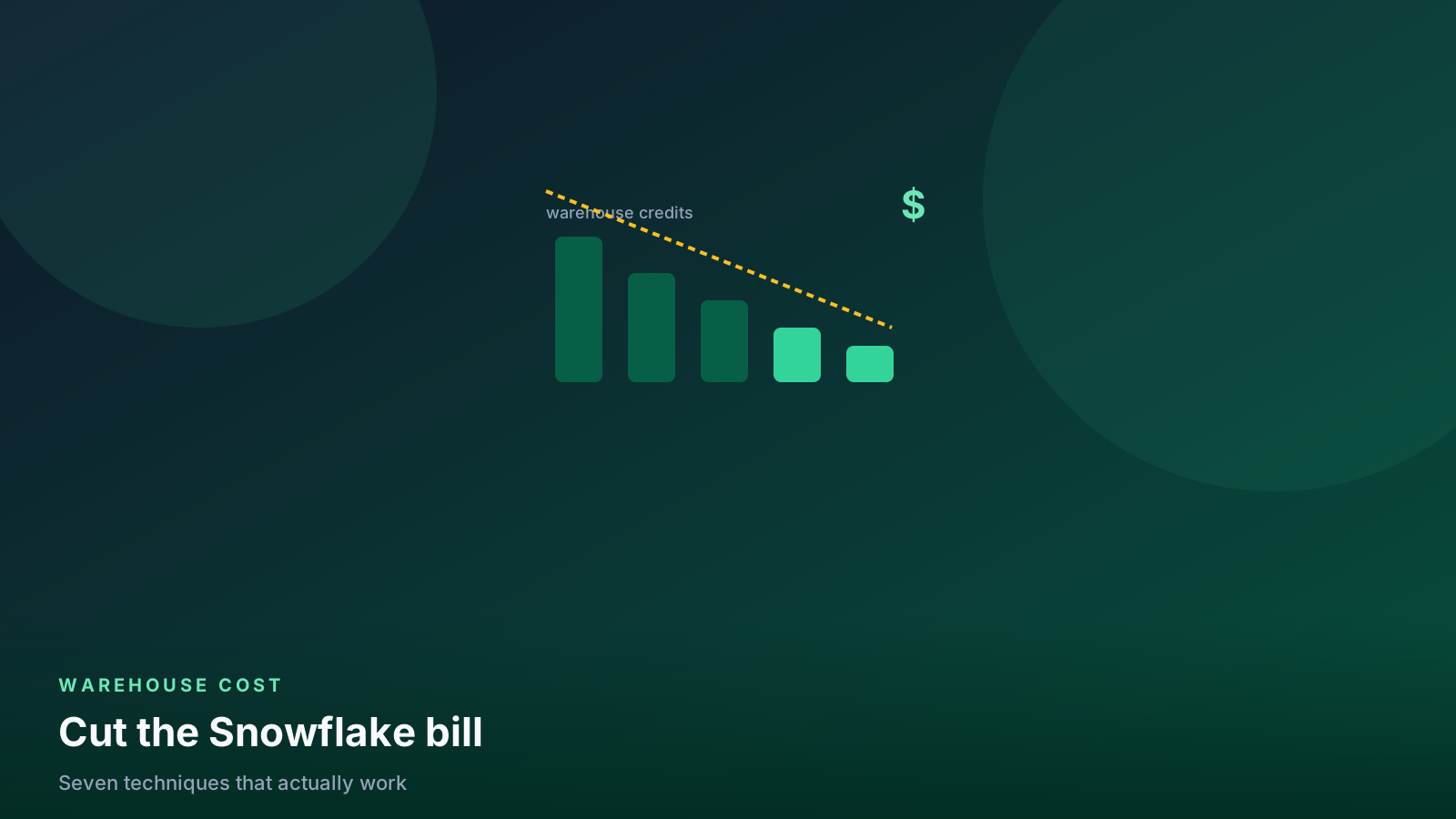
Warehouse sizing, auto-suspend, clustering, ACCOUNT_USAGE queries, and resource monitors — estimate the bill from usage before you change prod.
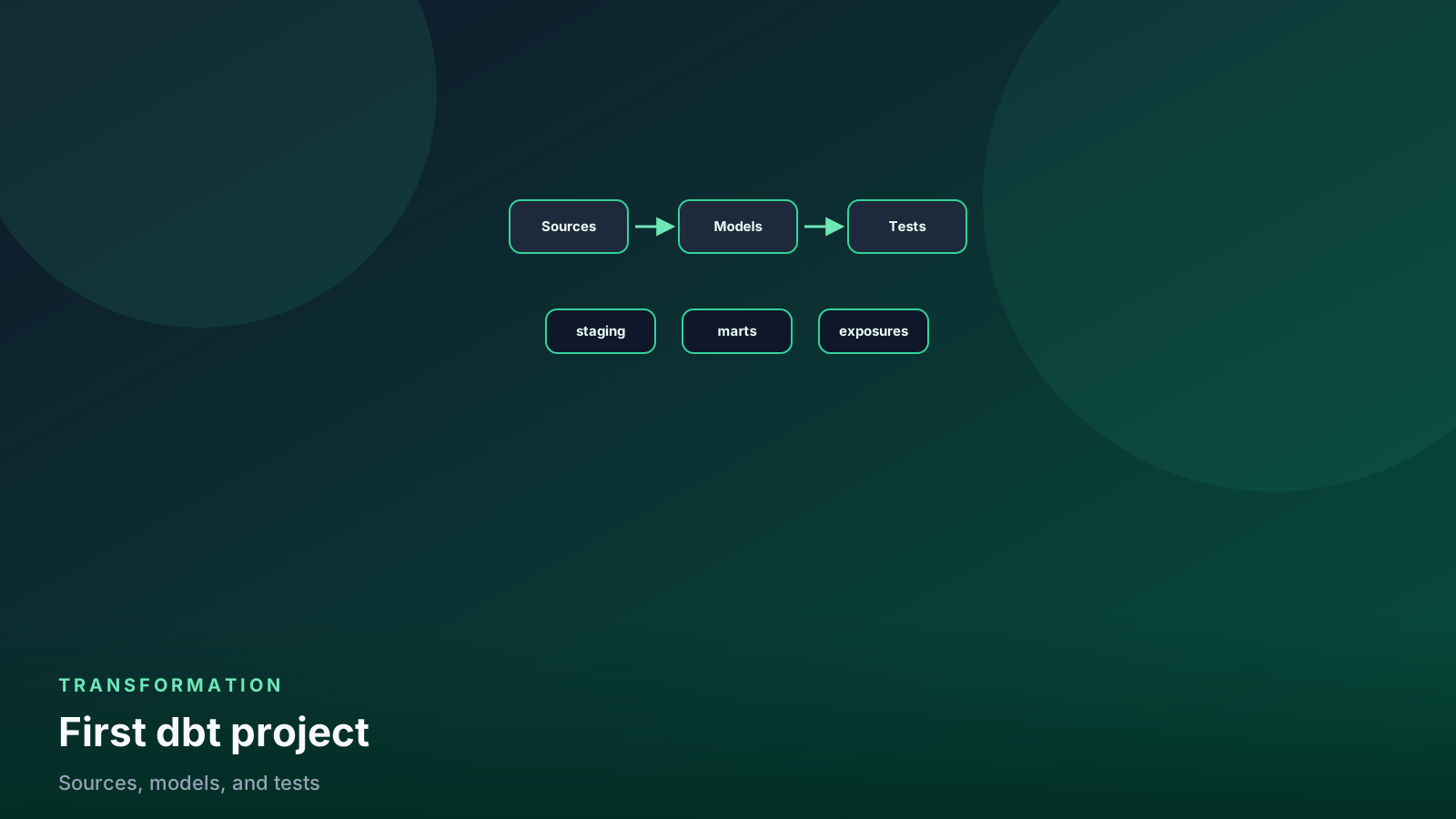
Set up a dbt project from scratch: staging models, marts, tests, and documentation — with the project structure conventions used by real teams.
Working SQL for every SCD type, the point-in-time join that most Type 2 implementations get wrong, and an honest account of which types are worth the maintenance.
Joins are not the expense they were in 2015. Here is what a wide denormalized table really costs in storage, rebuild time, and history, and the hybrid I ship instead of picking a side.
DISTINCT, GROUP BY, ROW_NUMBER, QUALIFY, MERGE, and stream-side dedup compared on cost and semantics, plus how to pick the survivor row deterministically.
How WITH RECURSIVE actually executes, patterns for hierarchy traversal and BOM explosion, and the cycle guards that keep a bad edge from running forever.
Conditional aggregation, native PIVOT syntax, unpivoting wide tables, and how to handle dynamic categories without generating SQL at runtime.
Choosing between check and timestamp snapshot strategies, what happens when a snapshot run is missed, and the cases where a hand-rolled SCD2 model beats dbt snapshot.
What actually happens to a CTE in Postgres, Snowflake, and BigQuery, when it blocks predicate pushdown, and when referencing it twice costs you two scans.
The failure modes that only show up after launch — join paths, metric drift, runaway cost — and the semantic layer, constrained generation, and eval harness that make text-to-SQL survivable.
How window frames actually evaluate, why RANGE and ROWS give different answers on ties, and six window patterns that delete self-joins from your models.
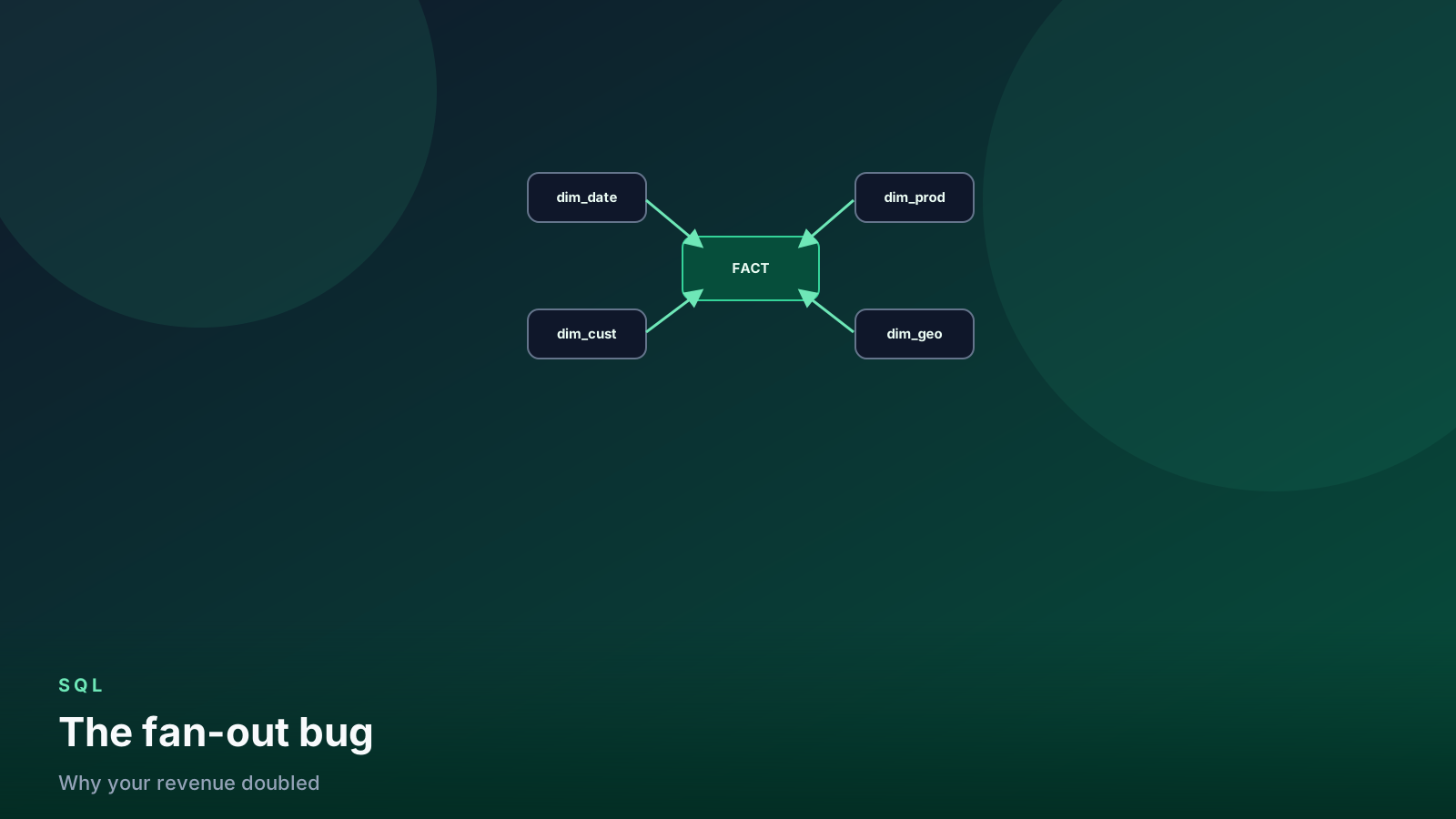
The join fan-out failure class: grain checks before and after every join, EXISTS for semi-joins, anti-joins done right, and the postmortem pattern.
Five SQL habits that scan more than they should: SELECT *, functions on filter columns, DISTINCT as a bug fix, OR-joins, and per-row UDF calls.