AWS Redshift Cost Optimization Guide: Serverless RPUs and WLM
How to cut your AWS Redshift bill by optimizing Serverless base capacity, managing RPUs, leveraging RA3 instances, and tuning Workload Management (WLM).
- redshift
- aws
- cost-optimization
Topic
11 posts ·view all posts
How to cut your AWS Redshift bill by optimizing Serverless base capacity, managing RPUs, leveraging RA3 instances, and tuning Workload Management (WLM).
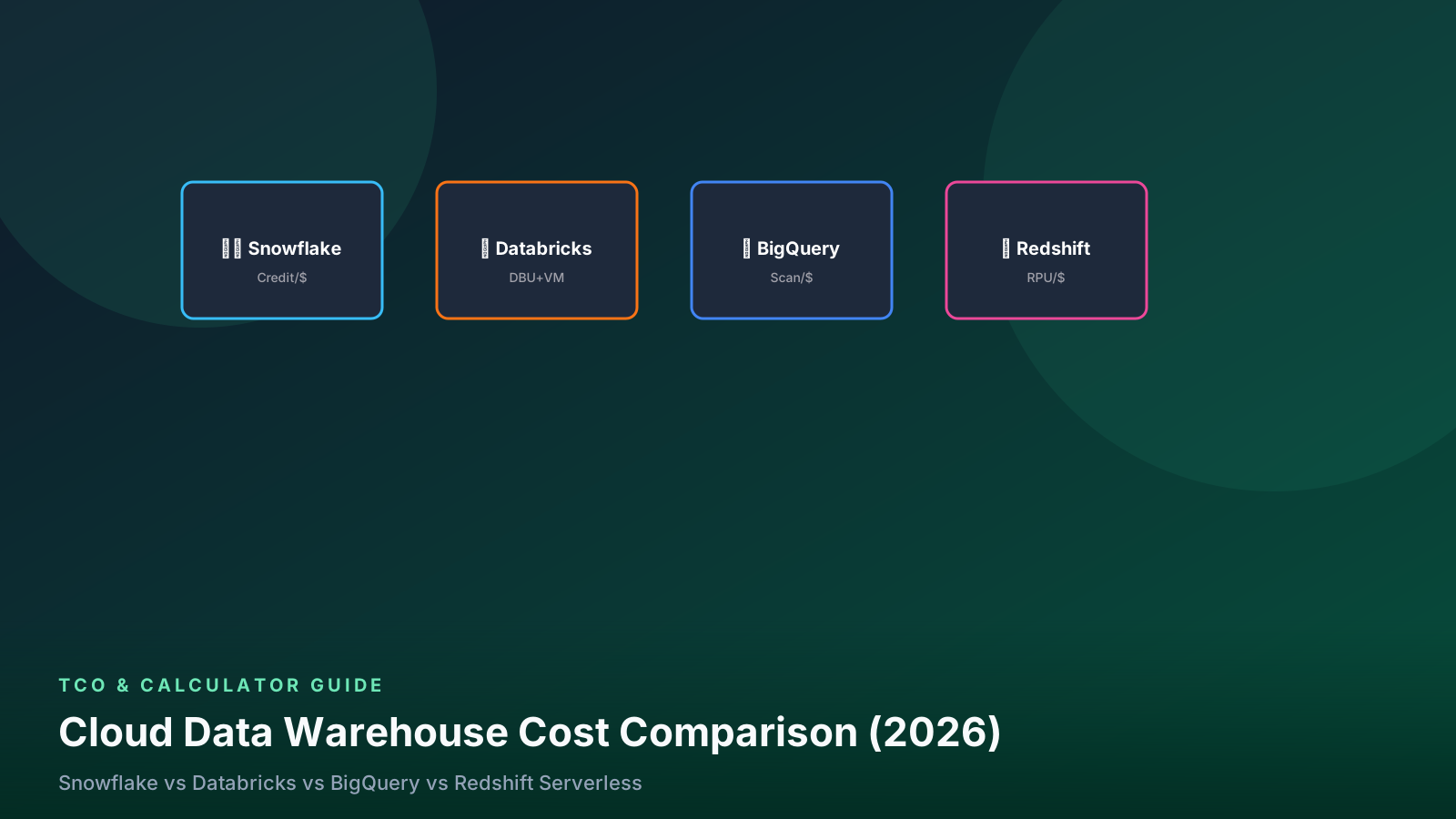
A comprehensive TCO guide: pricing equations, real-world workload cost models, and how to use our interactive data stack cost estimator.
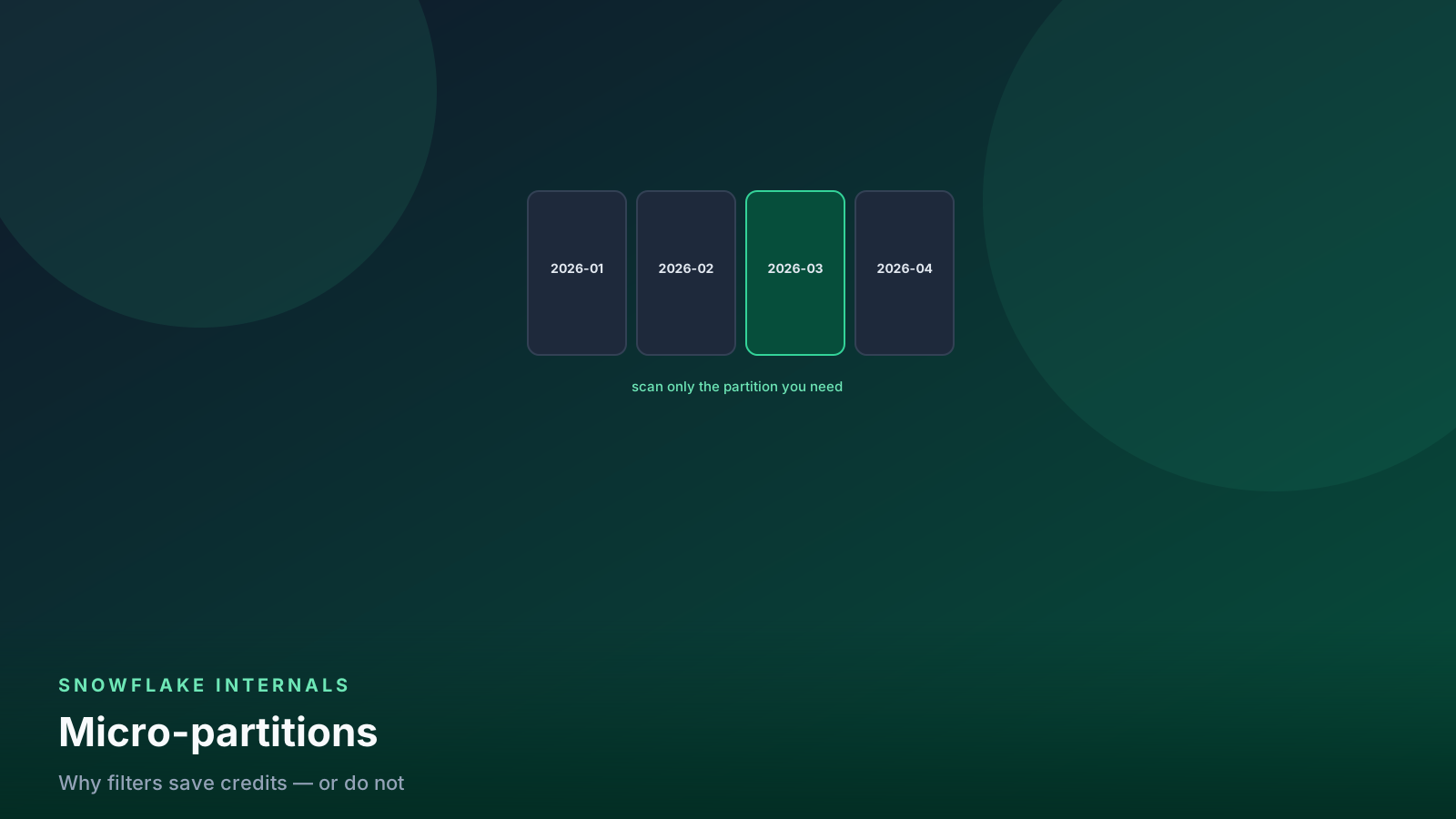
What a micropartition is, how clustering and sargable filters prune, why wrapping columns and SELECT * blow the scan, and how to read partitions_scanned.
The pricing models decide the architecture: warehouse-hours versus on-demand scans, plus multi-cloud vs GCP-native gravity.
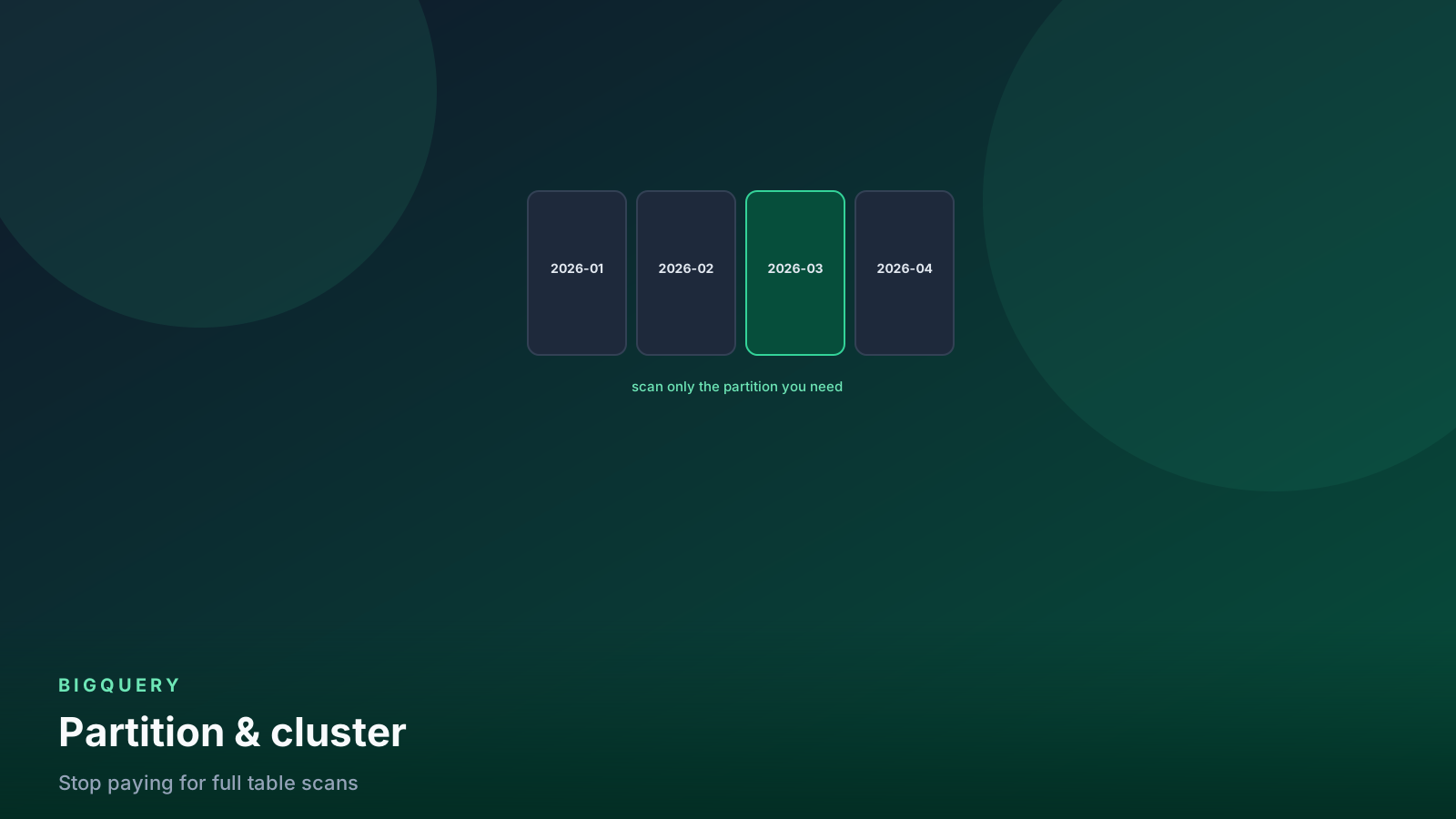
BigQuery charges by bytes scanned. Learn how partitioning and clustering cut scan costs by 90%+, and the query patterns that silently bypass them.
Warehouse sizing, auto-suspend, clustering, ACCOUNT_USAGE queries, and resource monitors — estimate the bill from usage before you change prod.
A practical comparison of Snowpipe file ingestion and Snowpipe Streaming, covering real latency ranges, the credit math per million rows, and how to pick without over-engineering.
Cutting dbt run time and warehouse spend on a large project: how to find the real critical path, when threads stop helping, and how to attribute cost to individual models.
How Time Travel retention, fail-safe, and zero-copy clones bill against storage, plus the migration and recovery patterns that make the storage cost worth paying.
How to pick a Snowflake warehouse size from evidence instead of intuition, using spilling, queueing, and scaling tests to decide between a bigger warehouse and more clusters.
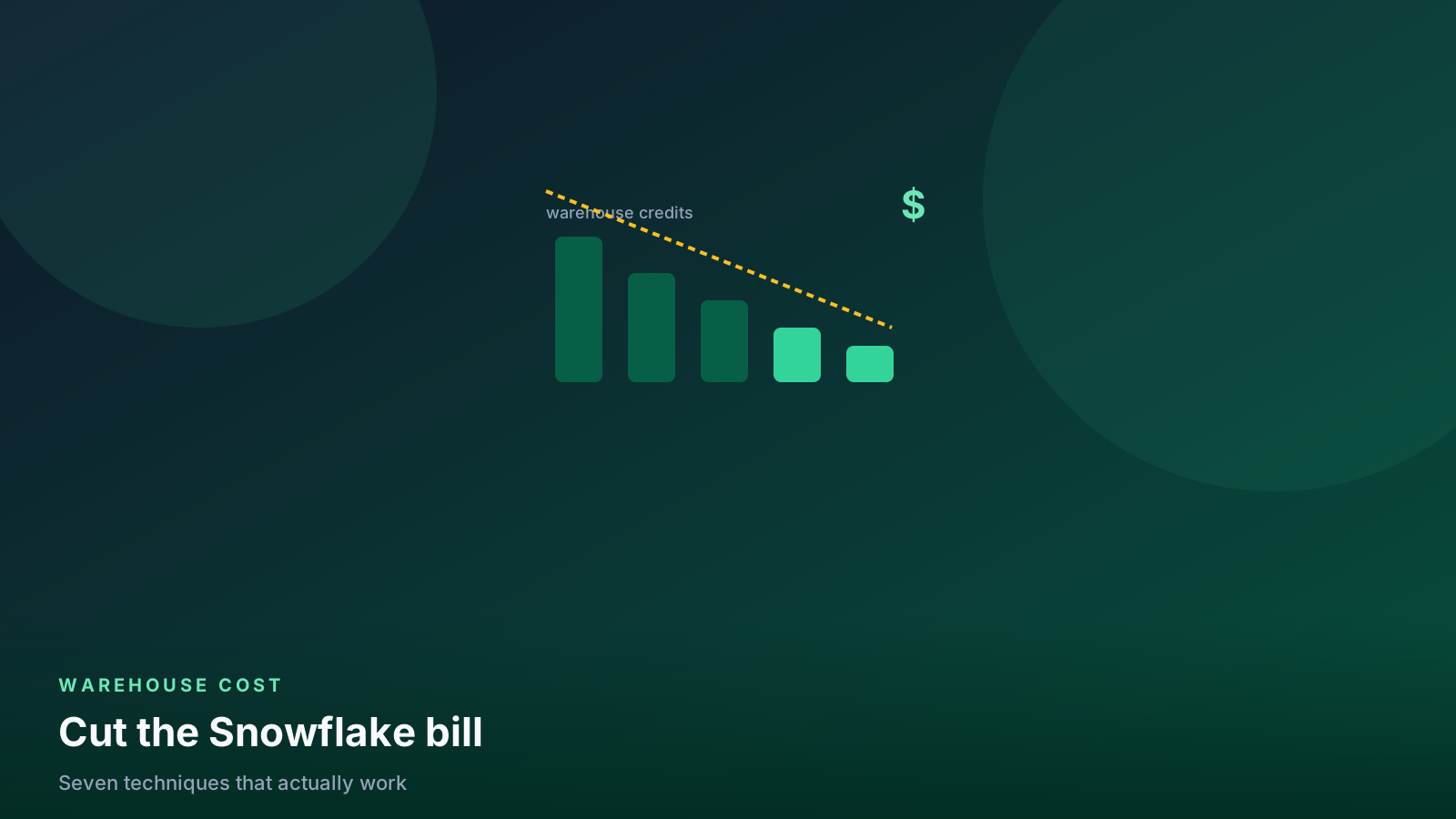
A ranked playbook for reducing Snowflake spend: auto-suspend defaults, right-sizing warehouses, resource monitors that actually fire, and the ACCOUNT_USAGE queries that name your top ten offenders.